

Meet the team: Donna
Leadership Coach and Learning Consultant Donna Ward-Higgs catches up with Hari, digs into why storytelling is important to her and shares more about her superpowers!
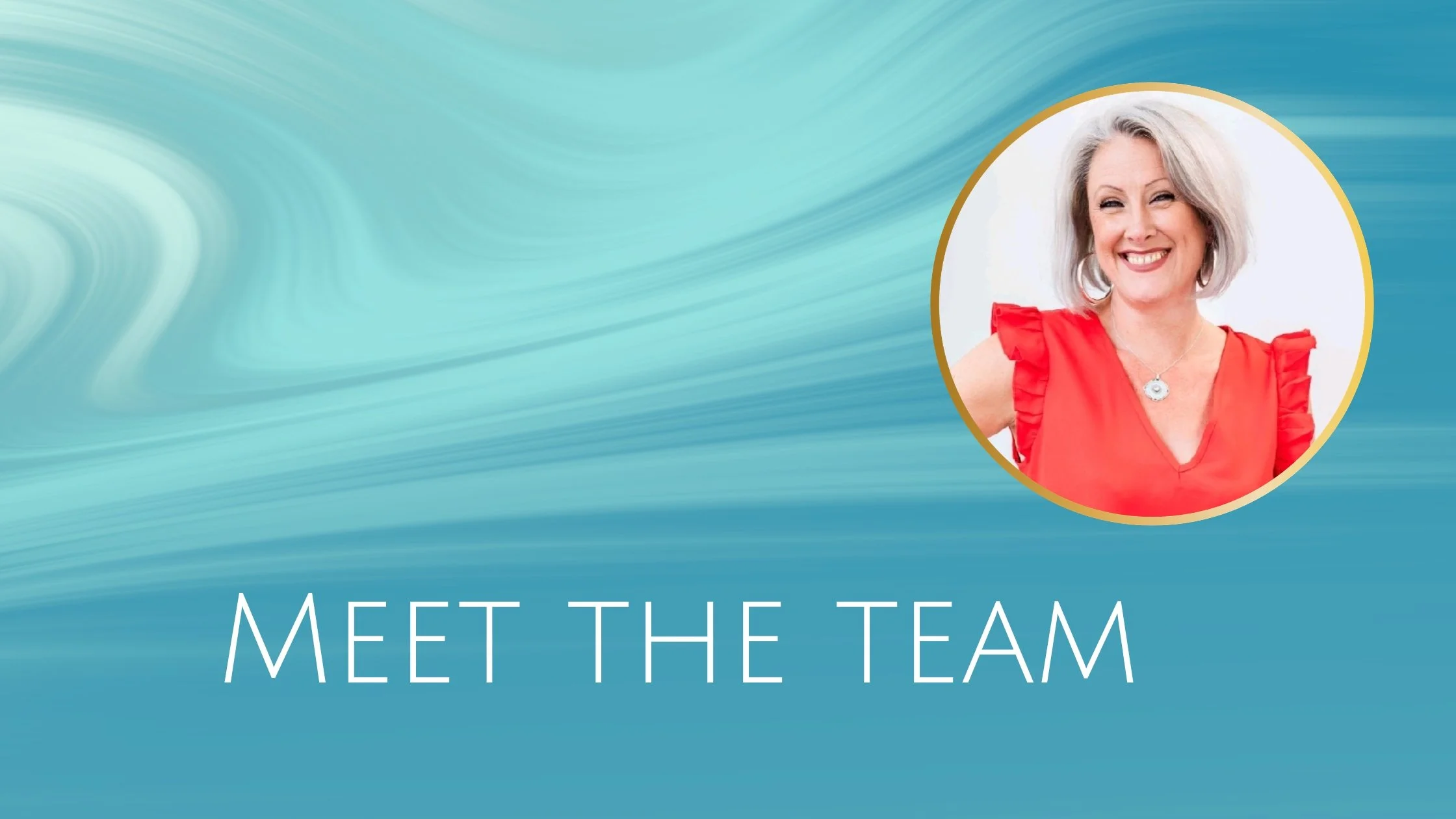
How did you become a storytelling trainer?
I've spent 25 years helping people communicate better — in the moments that matter most.
My work in leadership development and coaching took me into boardrooms, community centres, NHS teams, universities, and retail floors, and what I kept finding was the same thing: people who were technically brilliant but struggling to land the message, hold the conversation, or get heard.
That's where performance becomes the real work. When 13 Times approached me, it felt like a natural fit — I live in the same belief that how we communicate shapes everything. I just work on the conversations humans find hardest.
Can you dig into why storytelling is important to you?
Because every meaningful thing we do as humans happens through communication.
The feedback that changes someone's career. The conversation that rebuilds trust in a team. The moment a leader stops performing at people and starts connecting with them. Storytelling sits at the heart of all of it — it's how we make sense of ourselves and each other. I work at the intersection of that: where the story meets the high-stakes human moment.
Tell us about your superpowers, specialist subjects and strengths
Helping people perform better in the conversations they find hardest. I specialise in feedback, coaching skills, emotional intelligence, neuro-inclusive approaches, and team dynamics — the full toolkit of what it takes to create workplaces where people can do their best work.
I bring 25 years of cross-sector experience, a coaching supervision lens, and a direct, human approach that cuts through theory and gets people doing things differently. Clients leave with practical tools they can put into practice immediately, not just insight.
Can you share your favourite client transformation story?
One of my favourite moments in any room is the one where it goes quiet.
I was working with a group of managers on coaching skills — and we'd been exploring what gets in the way of people doing their best thinking.
Somewhere in the session, it landed. They could see it clearly: every time a team member struggled, they'd been rushing in. Fixing. Firefighting. Solving. With the best intentions in the world, they'd been taking away the very opportunity for the person in front of them to think it through themselves.
What changed was learning to sit with curiosity rather than reach for answers — and to ask questions in a way that works with how that person's brain actually processes. Not one-size-fits-all curiosity, but genuine attention to the individual in front of you. When people are given the right kind of space and the right kind of question, they find their own answers. And the solutions they arrive at themselves are the ones they actually use.
That quiet moment in the room — when a group of experienced managers collectively realise they've been getting in their own way — that's when I know something has genuinely changed.
What’s the one thing you feel everyone should try?
Take the hard conversation outside.
If you've got something difficult to say — or something difficult to hear — resist the urge to book a meeting room and sit across a table from each other. Instead, go for a walk. Ideally somewhere with trees, water, or green space nearby, because being in nature genuinely soothes the nervous system. It's not just nice, it's biological.
Walking helps your body process the cortisol and adrenaline that emotionally charged conversations trigger. Moving side by side rather than face to face removes the confrontational dynamic that an office setting can create. And the bilateral eye movement that happens naturally as you walk? That's the same mechanism used in trauma-informed therapies to help the brain process difficult experiences.
The conversation doesn't change. But the conditions do — and that changes everything.
As Donna says, people can be technically brilliant but struggle to convey their message. We help those who consider themselves technology-focused communicate better, manage teams effectively, and successfully address soft-skills challenges. Check out our Soft Skills for Techies masterclass.
