

Meet the team: Lia
Hari caught up with Lia Aritorang, our Head of Customer Care, to learn more about her passions, superpowers and best storytelling-related story…
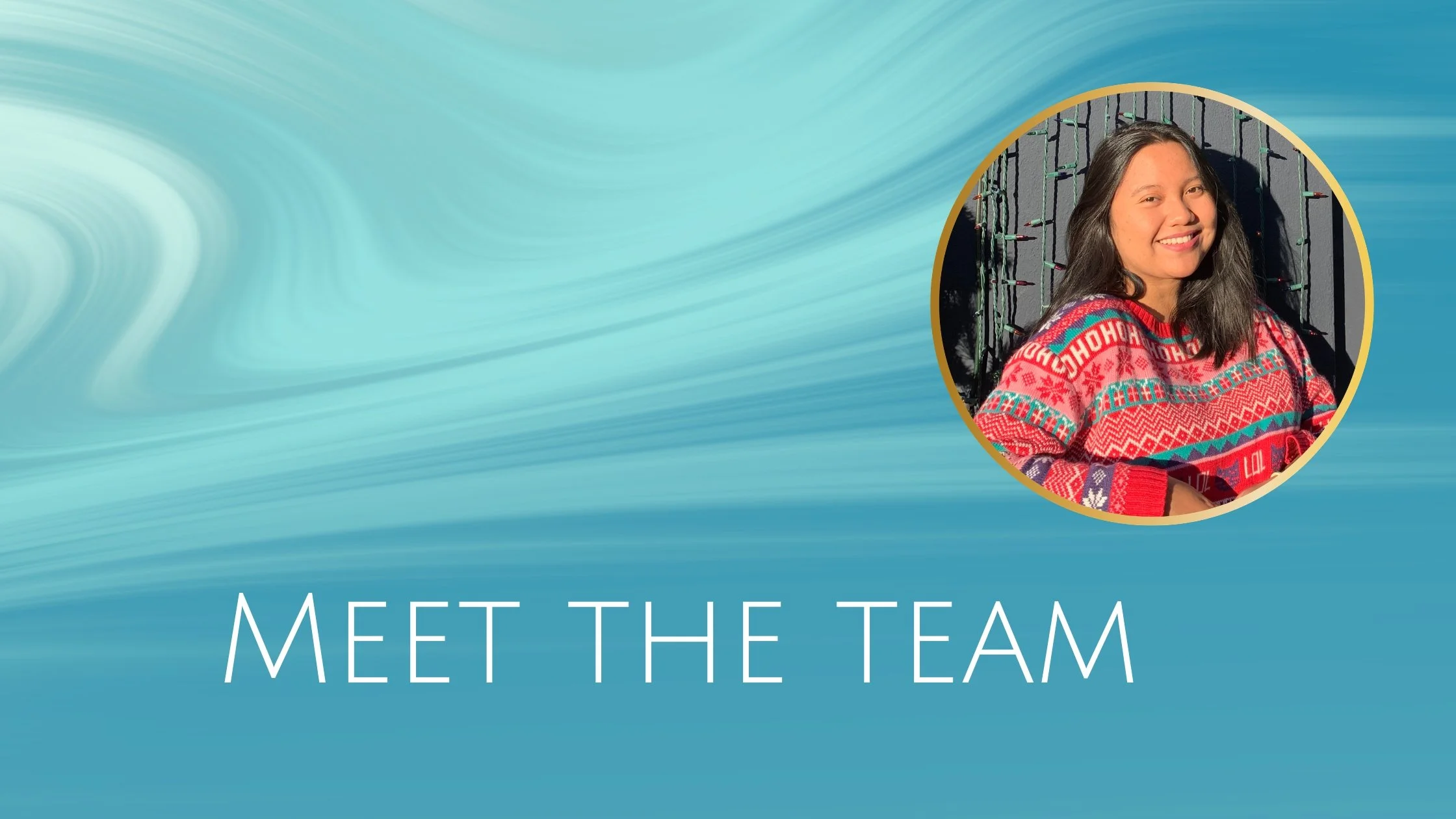
Where are you based?
I’m in Indonesia - 7 hours ahead of London (GMT)!
Why is storytelling important to you?
I've always been drawn to a good story, not just the plot, but the person behind it. With any novel, song, or movie that really lands, I find myself wondering where that came from, how someone took a feeling and turned it into something that reaches other people just as strongly. A good story doesn't just entertain you, it moves you, sometimes it even makes you believe in something. At some point I stopped just admiring that and started wanting to do it myself.
I care a lot about impact and results, and storytelling has become one of my strongest tools for that, especially now. Everything is being run through Artificial Intelligence (AI), everyone's expected to move faster and stay efficient, and that usually means communication gets cut down to almost nothing. It's become "just summarise it for me" by default. But that's kind of the opposite of what works. A good story takes a few minutes to tell, but the message sticks, because people feel it instead of just skimming it. That's the edge I lean on – what real communication is supposed to look like.
Tell us about your superpower!
I spent a good chunk of my career as an educator, teaching everyone from primary school children to adults, and I quickly learned that teaching isn't about transferring knowledge. It's about nurturing, guiding, and helping people work through whatever's blocking them. The part I love most is watching someone's confidence shift- that moment when something clicks and they realise they understood it all along; they just needed someone to help them see it.
That comes down to a few things I try to bring into every room: real listening, patience, and empathy. I've learned that most people don't need to be told the answer, they need someone who's paying attention to what they're stuck on. Being able to do that across such different groups and situations is the closest thing I have to a superpower.
What’s your best storytelling-related story?
One of my students was an aerospace engineer maintaining aircraft for Airbus, responsible for reporting technical issues to foreign stakeholders. His two problems: low confidence speaking English, and a habit of over-explaining before getting to the point, common for technical experts who know too much to simplify.
He loved analogies, so we used that. Before the technical version, we'd explain it "like it's not a plane" first. One I still remember: he compared a part of the aircraft to a heart, it needs to keep pumping and stay healthy, and it only stays healthy if things stay at the right temperature so it moves smoothly. Once he had that simple version, we'd build the professional one on top.
It stuck with him beyond our sessions. He got more confident explaining his job to peers, Airbus staff started relying on him during their visits, and six months later, he was selected for training in Miami.
His real block was never English, it was translating technical precision directly into a foreign language. Simplify first, formalise second, and everything opened up.
What’s the one thing you think everyone should try?
Everyone should try to get more comfortable with embarrassment.
It's one of those feelings people go out of their way to avoid, but I think the moment you stop being afraid of it, you become almost unstoppable. So much of what holds people back, speaking up, trying something new, looking a little silly, comes down to not wanting to feel embarrassed. Once that fear loses its grip, you're free to go after what you want.
Also, everyone should try beef rendang.
Lia coordinates new business for 13 Times and coordinates our clients’ and contacts’ needs month to month. Drop her a line to share the communication challenges you’re facing and where you need support.
