Why Are We Dressing Our Engineers Like Primary School Children?
A personal rant about polo shirts, professionalism, and treating grown-ups like grown-ups.
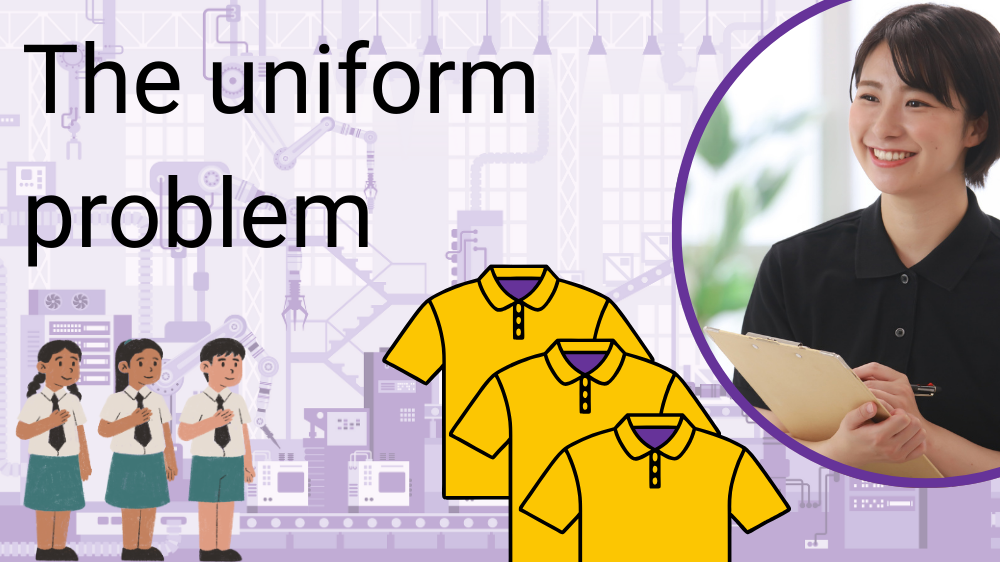
My four-year-old daughter started school in September. Her uniform? A bright yellow polo shirt with the school logo emblazoned across the chest, paired with dark grey trousers or leggings. It's practical, washable, and designed for children who spend their days finger painting and learning to tie their shoes.
When I started primary school, things were rather different. Crisp white shirts that had to be ironed to perfection, proper ties, pleated skirts, and school shoes with either buckles or laces—no velcro trainers would have passed muster back then. So it's genuinely wonderful that children's uniforms have evolved to be more comfortable and practical, allowing kids to actually be kids.
But here's what baffles me: why have so many organisations decided to dress their highly trained, brilliant adult employees in what is essentially the exact same outfit?
The Great Corporate Polo Shirt Conspiracy
This is entirely my personal opinion, and I'm sure there are plenty of people who love their company polo shirts. But I've lost count of how many times I've walked into manufacturing plants, engineering firms, or tech companies and been greeted by a sea of adults wearing coloured polo shirts with corporate logos over dark trousers.
It's like someone took my daughter's school uniform, swapped yellow for navy blue or corporate red, and declared it "professional attire."
Confession time, I have evidence hanging in my own wardrobe. At least two t-shirts from my past employment with Accenture and one from associate work with Alt-V Law. Thankfully, they're all t-shirts rather than the less flattering polo shirt variant, but the principle remains the same—grown professionals dressed like they're heading to a very expensive summer camp.
When Did We Stop Trusting Adults To Dress Themselves?
Don't get me wrong, I understand the appeal of corporate uniforms. There's something reassuring about consistency, about everyone looking like they're part of the same team. It eliminates the morning "what do I wear?" dilemma and, in theory, puts everyone on equal footing regardless of their personal fashion sense or budget.
But there's something that sits uncomfortably about taking highly skilled engineers, brilliant developers, or experienced technicians - people trusted to make complex decisions that affect millions of pounds worth of projects - and then essentially saying, "We don't trust you to choose appropriate clothes for work."
The Individuality Problem
The thing that really gets to me is that these are the same organisations investing thousands of pounds in diversity and inclusion training, talking about the importance of bringing your whole self to work, and encouraging creative thinking and innovation.
Then they hand everyone identical polo shirts.
The mixed message is staggering. We want you to think outside the box, challenge conventional wisdom, and bring fresh perspectives to complex problems. Just make sure you do it while dressed exactly like everyone else.
I've worked with teams where the only way to tell the senior architect from the graduate trainee was by checking their name badges. That can't be right, can it?
The Client Perception Paradox
The justification I hear most often is about client perception - the idea that uniforms make teams look more professional and cohesive when meeting with clients or attending industry events.
But when did polo shirts become the pinnacle of professionalism?
I've attended conferences where brilliant technical minds presented groundbreaking innovations while being dressed like they'd just finished a round of mini golf. Meanwhile, the business consultants in their suits looked infinitely more authoritative, regardless of whether their actual expertise matched their appearance.
Are we accidentally signaling to clients and stakeholders that technical roles are somehow less senior, less professional, less worthy of adult clothing?
Finding The Middle Ground
I'm not suggesting everyone should turn up in three-piece suits or that there's no place for practical workwear. Safety requirements are non-negotiable, and some roles genuinely need specific clothing for practical reasons.
But surely there's a middle ground between "everyone must look identical" and "total clothing chaos"?
What if, instead of mandating polo shirts, organisations provided guidelines? Smart casual. Professional but practical. Dark colours preferred. Logo optional but available.
What if we trusted our highly educated, well-paid professionals to understand what's appropriate for their role and their industry?
What if we treated them like the adults they are?
The Bigger Picture
This might seem like a trivial complaint—and maybe it is. Maybe I'm overthinking the significance of polo shirts and company logos.
But I can't help feeling that how we dress our teams sends a message about how we view them. When we put brilliant engineers in the same uniform we'd give to primary school children, are we subtly reinforcing the idea that technical roles are somehow junior to business roles?
When we strip away individual expression in the name of corporate consistency, are we missing out on the diversity of thought we claim to value?
And when we're planning L&D programmes focused on helping technical teams communicate more effectively with senior stakeholders, shouldn't we also consider whether we're undermining their authority before they even open their mouths?
A Personal Plea
So here's my personal plea to L&D professionals and organizational leaders: next time you're reviewing your dress code or ordering company uniforms, ask yourself one simple question.
Would you be happy if your CEO turned up to the board meeting dressed exactly like your graduate trainees?
If the answer is no, then maybe it's time to reconsider whether polo shirts are really the best way to present your brilliant technical teams to the world.
After all, my four-year-old daughter needs a uniform because she's still learning how to navigate the world. Your engineers and developers have already figured that out—perhaps it's time to trust them with their wardrobes too.
This is entirely my personal opinion, and I'm sure there are plenty of professionals who love their company polo shirts. But if you're looking to help your technical teams command more respect and authority in their interactions with stakeholders, perhaps start by dressing them like the experts they are.