

Meet the team: Tash
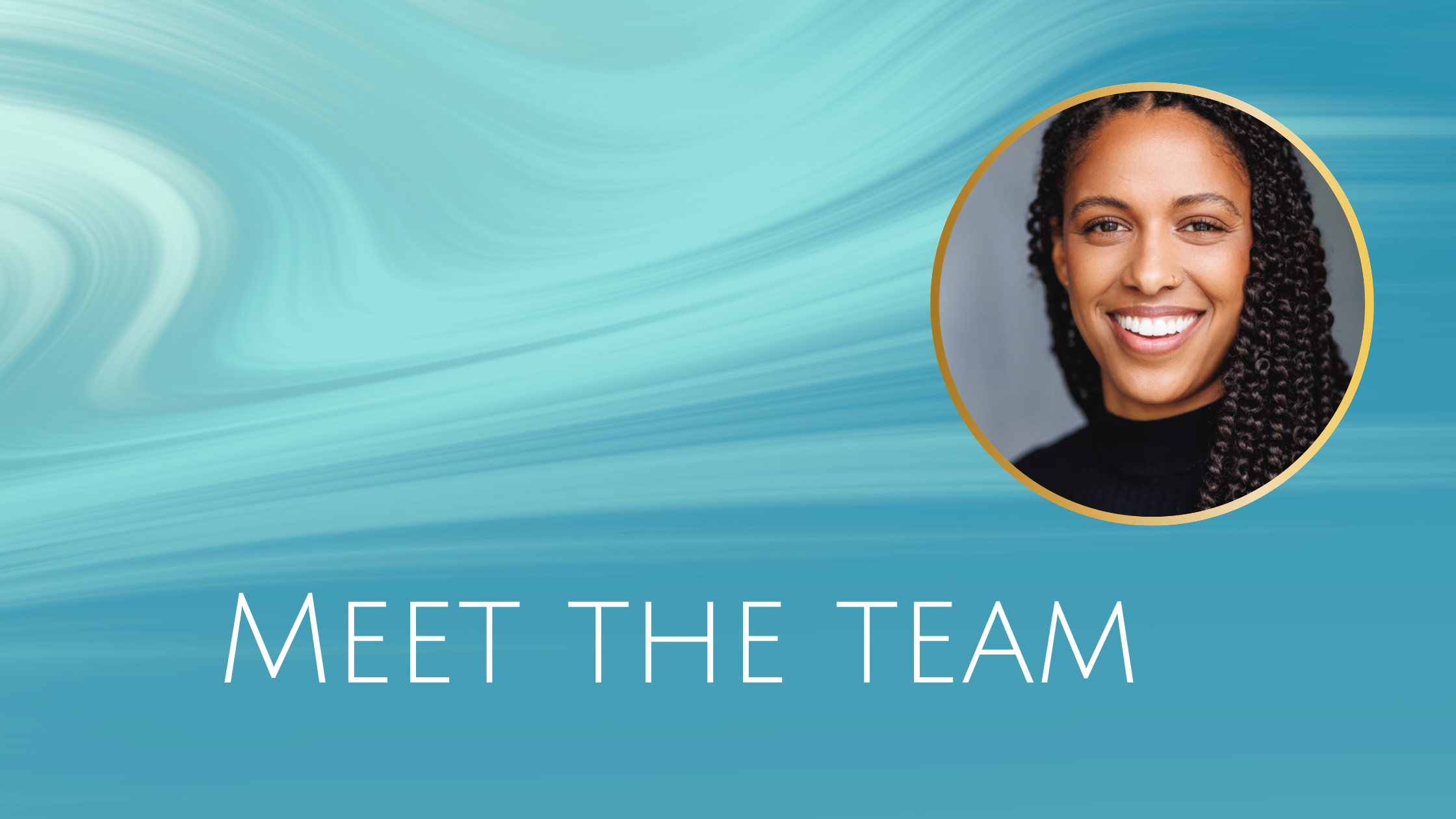
Tash Koster-Thomas joins 13-Times as our associate Diversity, Equity & Inclusion Consultant. Her specialist knowledge has been refined over many years. She’s collaborated with global brands including Disney, Unilever, Google, Mercedes eSports, La Prairie and Kew Gardens, and delivered measurable outcomes across diversity strategy, training facilitation, and executive-level EDI consulting. Hari caught up with her...
Tash! where are you based?
I’m based in the Netherlands! I’m an hour ahead of the UK, until the Summer when we level.
Why is EDI important to you?
EDI first became important to me through an intersectional lens, as a way of understanding my own identities and how they interact with systems of power, access and opportunity. This personal awareness was the starting point.
Since becoming a parent, this commitment has deepened. There’s an added sense of responsibility in wanting to help shape a world, but also workplaces that are fairer and more inclusive for the next generation. I guess, like many parents, I think about the environments our children will grow up in, and what we normalise for them.
In my work, I speak to so many people who move through their working lives feeling unseen, undervalued or exhausted by having to constantly adapt. I see the long-term impact this has on confidence and wellbeing. This is what drives me. Working to shift everyday experiences, so more people can feel respected, supported and able to thrive.
Talking of your work, how did you become an EDI Consultant?
My journey into EDI began through LGBTQ+ advocacy. My wife and I created Breaking the Distance as an online platform to advocate for LGBTQ+ inclusion. Sharing our experiences and challenging the everyday assumptions that shape how people are seen.
Through that work, I began to better understand my own identities in the world and how systems, language and power structures can either affirm or exclude people. What started as advocacy in society gradually evolved into supporting others in navigating their identities and helping organisations understand their role in creating environments where people can truly belong.
The curiosity about identity, access, and inclusion is what ultimately led me into EDI consulting. Not just to focus on individual experience, but to work at a systemic level, helping workplaces and institutions become more inclusive by design.
What is your superpower?
I don’t come from a corporate background, I come from performing arts. I trained in musical theatre and spent many years performing around the world both on land and at sea. This has shaped how I facilitate and deliver workshops far more than any corporate framework ever could.
I’m comfortable in front of an audience, bringing energy into the room. I know how to hold attention, whether that’s in a room full of people or on a virtual call. Years on stage taught me how to read a room quickly, pick up on shifts in mood or dynamics and adapt in real time.
Creating learning spaces that feel human, energising and genuinely safe for people to be honest, even when the topic is sensitive. My specialist areas include inclusive leadership, intersectionality, cultural intelligence and inclusive communication across differences. I’m strong at translating complex ideas into practical, usable actions and helping people stay engaged without becoming defensive or shutting down.
This skill set means my sessions don’t feel scripted or stiff. They’re responsive, human and shaped around the people in the room. I’m really good at meeting people where they are, from curious to cautious, from uncomfortable to fully engaged and helping them move forward without feeling judged or overwhelmed.
Ultimately, my superpower is helping people move from awareness to action, without shame, without performative “perfect language,” and with a focus on what inclusion looks like day-to-day.
Tell me your best training/client transformation story…
One of the moments that always stays with me happened years ago while I was delivering LGBTQ+ inclusion training for frontline staff at a London-based heritage site.
The group was fairly quiet and there was one participant in particular who didn’t seem especially engaged. He wasn’t negative, but there was a clear sense of resistance, the kind you can feel in the room without it being spoken out loud. His early comments weren’t hostile, just closed and I got the sense that this wasn’t a topic he felt comfortable with or connected to.
At one point, he asked a question that really went against the grain of what we’d been discussing. In another setting, it might have been shut down or brushed past. But it was clear to me that it came from genuine curiosity, from someone saying, “I don’t understand this.” So I answered the question honestly and I also thanked him for asking it. For being brave enough to say he didn’t get it.
That opened up a real conversation, not a debate, but instead an open discussion. At the end of the session he came up to thank me. Later, his managers did too. They told me he had been speaking positively about the session to colleagues, something they had never seen him do before, especially around this kind of training.
What mattered most to me wasn’t just that he engaged in the room, but what happened beyond it. This was someone who worked directly with the public, who went home to a family, who talked with friends and colleagues every day. His team’s perception of him visibly shifted during the session and the ripple effect of that engagement felt far bigger than a single workshop.
We often focus on winning over senior leaders and that matters, but for me, the real impact is connecting with the people who are rarely seen as “the most important person in the room.” When those individuals feel safe enough to ask questions, reflect and change, that’s where inclusion really starts to spread.
What’s the one thing you think everyone should know/try?
We’re living in an increasingly polarised world and when we’re met with views that feel very different from our own or statements that feel inflammatory our instinct is often to push back. To shout louder and to fill the space with data, statistics and counter-arguments.
Instead, I think we should try something harder, stop, take a breath and lead with curiosity.
This might sound like saying, “I hear your perspective and I’m curious to understand why.” Asking what someone has experienced, read or lived through that has shaped their view. This isn’t about agreeing or excusing, it’s about creating space for conversation and understanding rather than people shouting at each other across a void.
I’ll be honest, this is something I find challenging myself. But I try to come back to it, because when we don’t, the gap only widens. People stop listening, stop learning, and real harm takes root.
For me, inclusion starts there. It’s not about thinking less of yourself, it’s about thinking of yourself less.
You can stay up to date with Tash’s work on LinkedIn and follow her podcast “Breaking the Distance” on Spotify
Expanding our team means our work spans further afield. We can partner with organisations across more time zones and bring even more perspectives to the work we do - to help organisations build their people's confidence in how they communicate. Check out the training and coaching we offer.
